



























John Rich is warning that some of Nashville’s most iconic honky-tonks could be pushed out of business as soaring property taxes threaten the future of Broadway’s live-music scene.
Nashville’s famous Lower Broadway has spent years transforming into one of the biggest entertainment destinations in the country. But behind the neon lights, packed sidewalks and booming tourism industry, a growing financial crisis is putting pressure on some of the businesses that helped make the area famous.

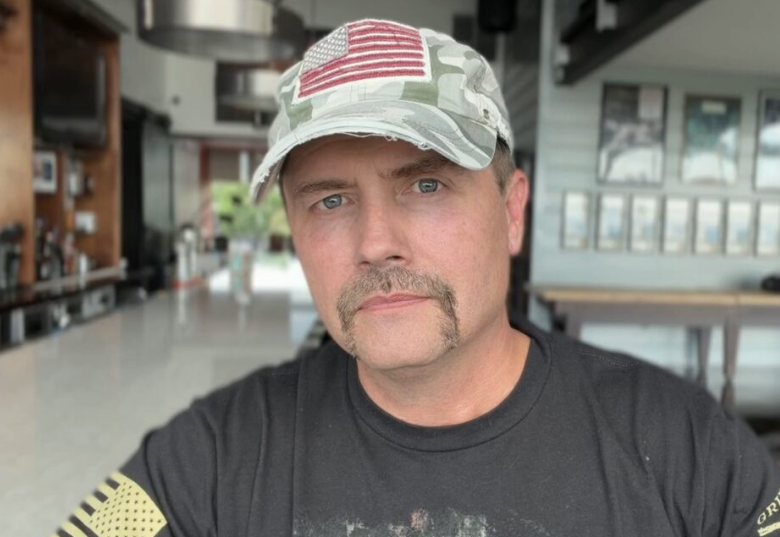
Country star and Broadway bar owner John Rich is now calling on Tennessee lawmakers to step in, arguing that rapidly increasing property taxes could force longtime bars and honky-tonks to close their doors.
Broadway Has Changed Dramatically
For decades, Lower Broadway was known for its small honky-tonks, live country music and musicians performing for visitors throughout the day and night.
According to the report, that atmosphere began changing significantly around 2017. Smaller establishments increasingly gave way to massive, multi-level entertainment venues operated by large hospitality companies and associated with major country stars.
The transformation helped Nashville attract even more visitors, but it also changed the character of Broadway.
The area that once centered primarily on traditional honky-tonks and country music increasingly became a destination for large crowds, parties, DJs, rock covers and a broader nightlife experience.
Now, Rich believes the next major change could be even more serious: longtime independent businesses being forced out because they can no longer afford to operate.
Property Taxes Are At The Center Of The Crisis
The biggest concern for many business owners is the dramatic increase in property taxes following Nashville’s rising property values.
New property appraisals were completed in 2024, with the resulting tax bills taking effect in 2025. Some businesses reportedly saw their property-tax obligations increase several times over.
The Broadway Entertainment Association has previously warned that some longtime businesses could face bankruptcy if they cannot keep up with the new bills.
Layla’s Honky Tonk owner Layla Vartanian said her business experienced a 300% to 400% increase in property taxes on commercial buildings.
Another major example involves Acme Feed & Seed owner Tom Morales, who said his annual property-tax bill jumped from approximately $129,000 to $600,000. According to Morales, that amount was greater than both his rent and net profit combined.
Those numbers help explain why Rich believes the issue has moved beyond individual businesses and become a threat to Nashville’s entertainment identity.
John Rich Says The Situation Has Become An Emergency
Rich, who opened Redneck Riviera on Broadway in 2018, is now asking Tennessee’s state government to intervene.
He argues that rising property values and taxes are making it increasingly difficult for businesses to remain financially viable, particularly establishments that have been part of Nashville’s music culture for decades.
Rich described the situation as an emergency and argued that the financial consequences could eventually affect the wider state because Broadway generates significant economic activity and tax revenue.
His argument is that protecting the businesses is not simply about preserving bars. It is also about protecting Nashville’s live-music ecosystem and one of Tennessee’s most recognizable tourist destinations.
Rich Wants A Special Session
Rich says business leaders recently met with Tennessee House Speaker Cameron Sexton to discuss the situation.
His request is for Governor Bill Lee to bring lawmakers together for a special legislative session focused on the property-tax crisis affecting Broadway businesses.
Rich specifically urged the governor to meet with business owners, examine the financial numbers and find a solution before more establishments are forced to close.
He also emphasized that the issue should be viewed from an economic perspective rather than simply through a political lens, arguing that the taxes generated by downtown Nashville ultimately support public services throughout Tennessee.
Why The Super Bowl Could Make The Issue Even More Important
There is another major reason Rich believes the state should act now.
Nashville is scheduled to host the Super Bowl in 2030, an event expected to bring enormous international attention and tourism to the city.
Rich’s concern is that some of the businesses that currently define Broadway could disappear before then if the property-tax situation remains unresolved.
That could fundamentally change what visitors experience when they arrive in Music City.
Rich Says He Doesn’t Want Broadway Taken Over By Large Corporations
At the heart of Rich’s argument is another concern: the possibility that smaller, independent and historic businesses could disappear while larger out-of-state hospitality companies take their place.
Broadway has already undergone significant corporate expansion, with enormous venues occupying buildings that once housed smaller establishments.
If rising property taxes continue forcing longtime operators out, Rich fears the process could accelerate.
The result, he argues, could be a Broadway dominated even more heavily by large hospitality companies rather than the independent honky-tonks and musicians that helped establish Nashville’s reputation.
“Save The Music”
Rich ended his appeal to Governor Lee with a simple message: protect the live music scene before it is too late.
He called on the governor to meet with Broadway business owners, listen to their concerns and consider a special legislative session.
For Rich, the debate is ultimately about more than property taxes.
It is about whether Nashville can continue to preserve the culture that made Broadway famous in the first place.
And as the country music star warned, the future of Music City’s most recognizable live-music district could depend on what happens next.
One by one, the lights are going out on Broadway…The rogue Mayor of Nashville has waged a war against live country music by attempting to tax it out of existence. See my report below🎸@CSexton25 @SenJohnson @GovBillLee pic.twitter.com/8WrHPkQwN2
— John Rich🇺🇸 (@johnrich) August 6, 2026