

































The Origin Behind The Powerful Merle Haggard Song, “Soldier’s Last Letter”
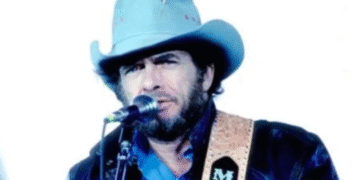
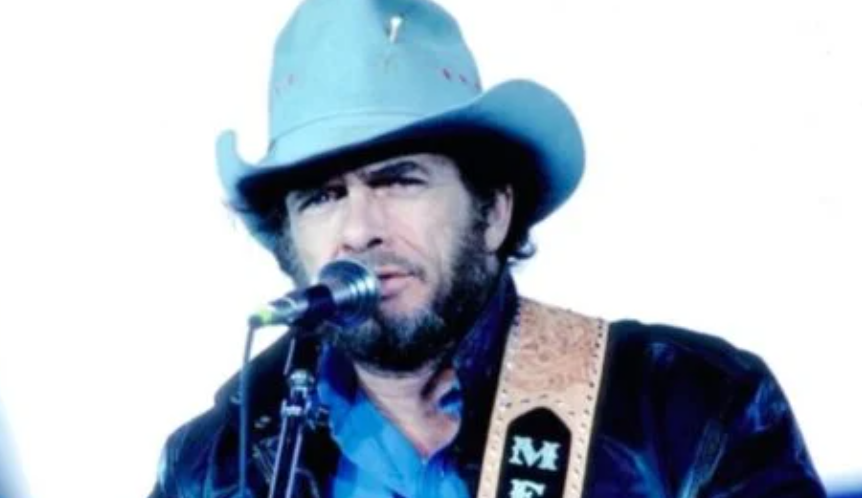
The late, great Merle Haggard delivered one of the most impactful tributes to fallen service members when he recorded the song “Soldier’s Last Letter.”
Haggard never served in the military himself, but he always supported the U.S. troops in his life and his music. His strongest show of support came through his cover of “Soldier’s Last Letter.”



While Haggard’s 1970s version of the song is most well-known today, it wasn’t his originally.
Redd Stewart and Ernest Tubb wrote “Soldier’s Last Letter.” Stewart was inspired to write the song based on his own military experience in the South Pacific following the attack on Pearl Harbor.
Tubb recorded the track first, and released it as a single in 1944. It resonated strongly with audiences and claimed the top spot on the country chart.
How “The Hag” Ended Up Recording The Song
Decades later, Haggard covered “Soldier’s Last Letter” for his album Hag. It peaked at the third spot on the U.S. Billboard Hot Country Singles chart.
Its popularity probably had something to do with the fact that “The Hag” released it during the Vietnam War, making it relevant to the time. In addition to being a country hit, the song also reached the all-genre chart.
The song’s lyrics tell the emotional story of a soldier who writes his last letter to his mother before he is killed in battle. Knowing that her son is gone, the mother prays that all of the other soldiers are kept safe.
As the song goes:
“Then the mother knelt down by her bedside,
And she prayed Lord above hear my plea.
And protect all the sons who are fighting tonight.
And dear God, keep America free.”
When you listen to Haggard sing “Soldier’s Last Letter” in the clip below, you will understand why it touched so many people. The combination of the powerful words and Haggard’s emotional delivery makes for a stunning tribute to those who made the ultimate sacrifice.
Our prayers go out to everyone currently serving in the military…and to those who’ve lost friends and loved ones in the service.