How to Lose Weight Without Starving Yourself
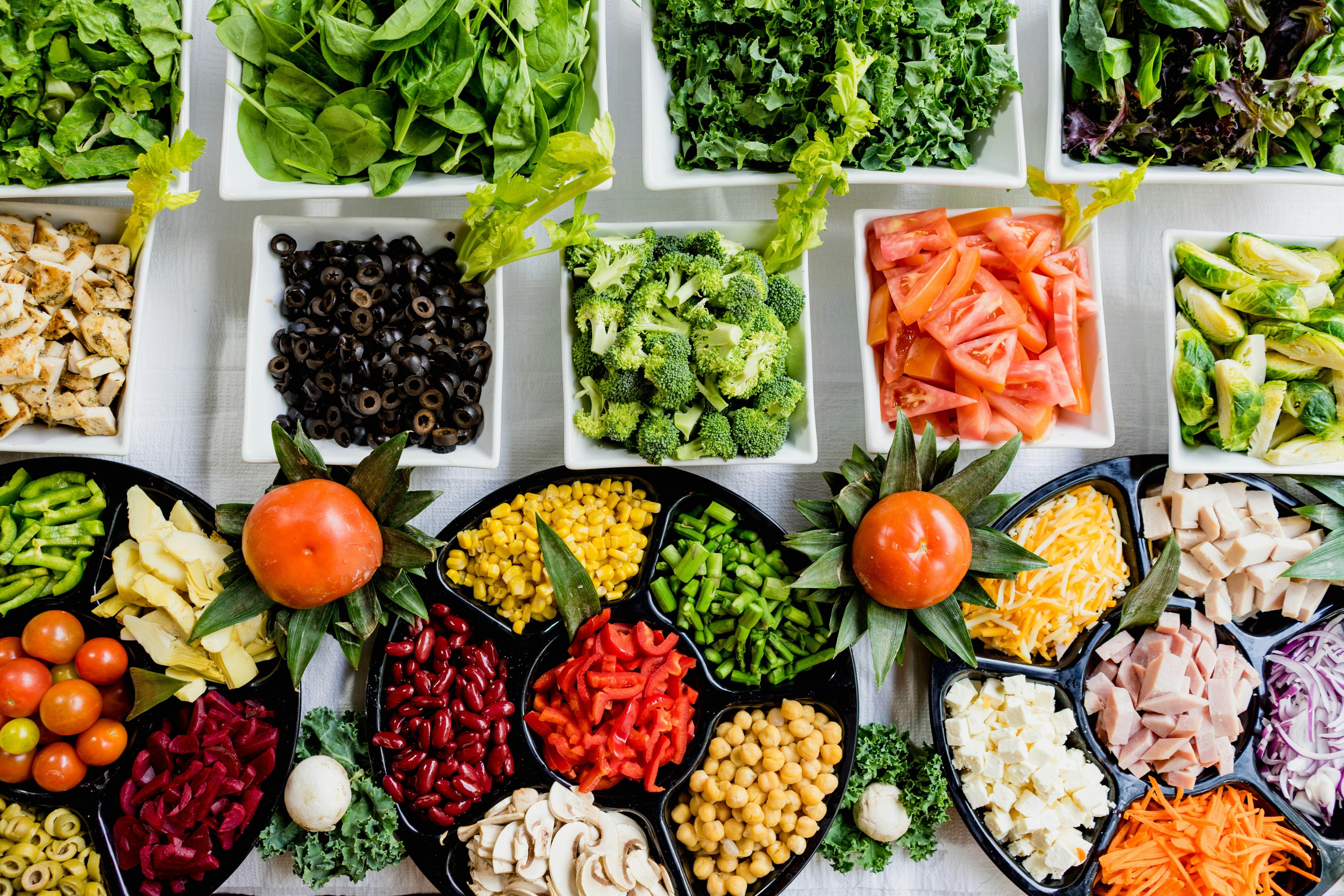
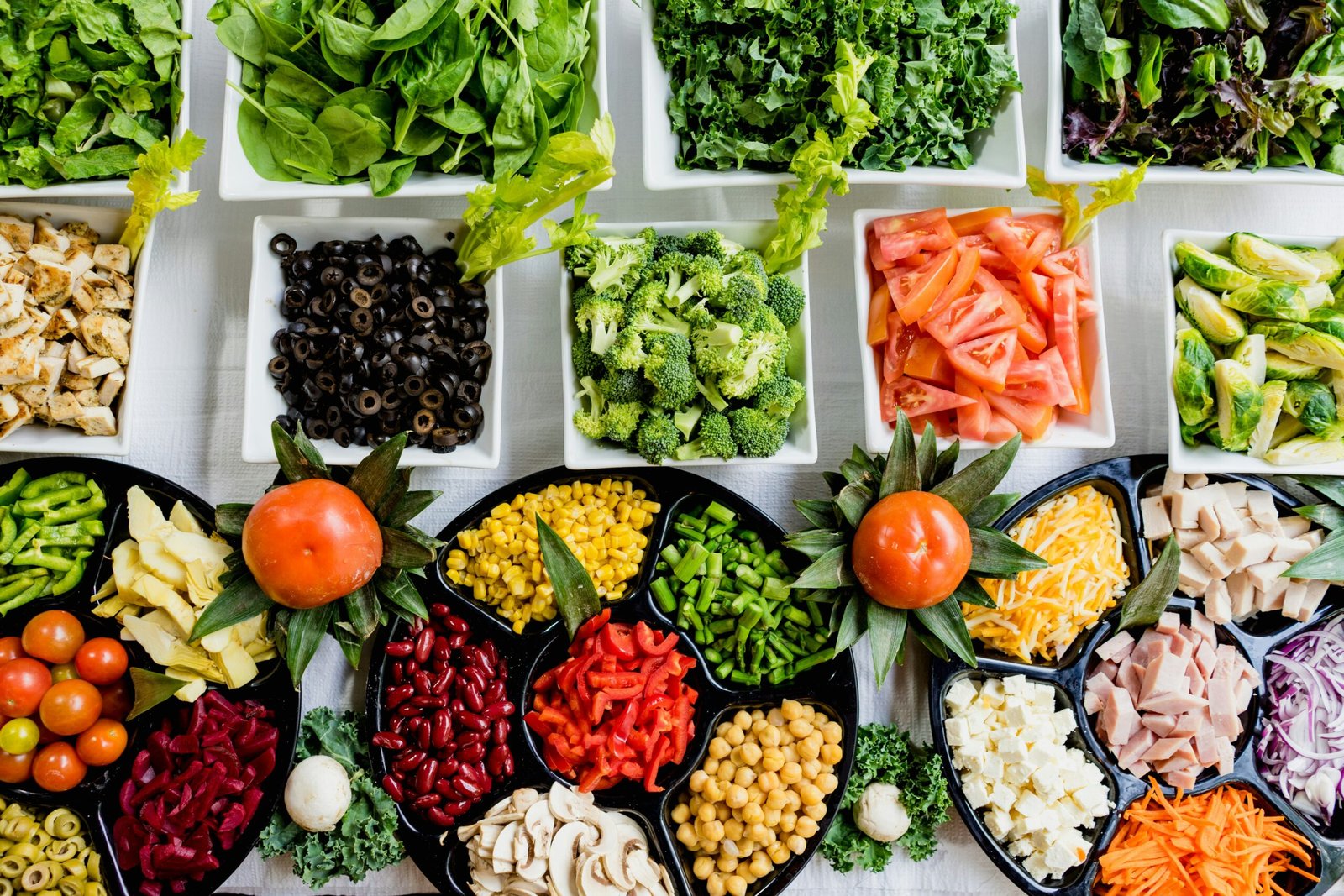
Many people associate weight loss with hunger and deprivation, but this doesn’t have to be the case. You can lose weight effectively while still feeling satisfied and energized. The key is making smart food choices, understanding portion control, and adopting sustainable habits. Here’s how to do it:
1. Focus on Nutrient-Dense Foods
Choose foods that provide maximum nutrition for the calories they contain. These will keep you full longer and provide the energy you need.
Prioritize:
-
- Lean proteins: Chicken, fish, eggs, Greek yogurt, and legumes
-
- Fiber-rich foods: Vegetables, fruits, whole grains, and beans
-
- Healthy fats: Avocados, nuts, seeds, and olive oil
2. Eat More Volume for Fewer Calories
Foods with high water and fiber content take up more space in your stomach but contain fewer calories. This is called “volumetrics.”
Examples:
-
- Start meals with a large salad or broth-based soup
-
- Add extra vegetables to every meal
-
- Choose whole fruits over fruit juices
3. Stay Hydrated
Sometimes thirst is mistaken for hunger. Drinking water before meals can help reduce calorie intake.
Tips:
-
- Aim for at least 8 glasses of water daily
-
- Drink a glass of water 30 minutes before meals
-
- Choose water or herbal tea instead of sugary drinks
4. Practice Mindful Eating
Slow down and pay attention to your food:
-
- Eat without distractions (no TV or phones)
-
- Chew thoroughly and savor each bite
-
- Stop eating when you’re comfortably full, not stuffed
5. Get Enough Sleep
Sleep deprivation can disrupt hunger hormones, increasing appetite and cravings. Aim for 7-9 hours of quality sleep each night.
6. Include Regular Physical Activity
Exercise helps create a calorie deficit without needing to drastically reduce food intake.
Recommendations:
-
- 150 minutes of moderate exercise per week
-
- Strength training 2-3 times weekly to preserve muscle mass
-
- Increase daily movement (take stairs, walk more)
7. Plan and Prepare Meals
Having healthy meals and snacks ready prevents impulsive, less nutritious choices when hunger strikes.
8. Allow for Occasional Treats
Completely depriving yourself can lead to binge eating. Enjoy small portions of your favorite foods occasionally without guilt.
Final Thoughts
Sustainable weight loss comes from making gradual changes to your eating habits and lifestyle, not from extreme dieting. By focusing on nourishing your body with the right foods in proper portions, staying active, and listening to your body’s signals, you can lose weight without feeling constantly hungry or deprived.
Remember, the healthiest weight loss is slow and steady – aim for 1-2 pounds per week. Consult with a healthcare professional before starting any weight loss program.